
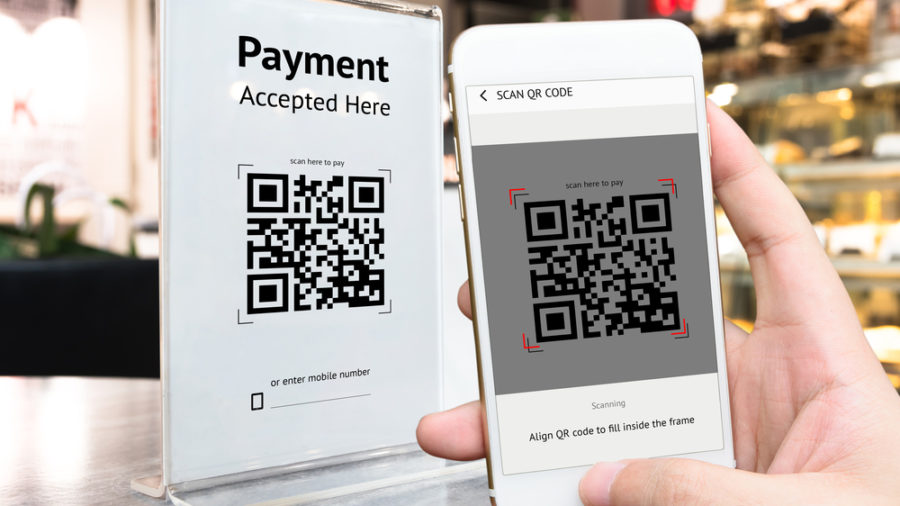
In today’s constantly evolving digital world, QR codes have become an essential tool for businesses and consumers alike. These scannable codes have revolutionized the way we access information and interact with brands. From marketing campaigns to contactless payments, QR codes have become an integral part of our daily lives. While the more Internet savvy may already know, for those who don’t, here is the detailed information on QR Code.
A Quick Response Code (QR Code) is a type of barcode that contains a matrix of dots. It can be scanned using a QR scanner or a smartphone with built-in camera. Once scanned, software on the device converts the dots within the code into numbers or a string of characters. For example, scanning a QR code with your phone might open a URL in your phone’s web browser. It was first developed in 1994 by a Japanese automotive company to track vehicles during the manufacturing process. However, with the rise of smartphones and advancements in technology, QR codes have found new uses in various industries.
All QR codes have a square shape and include three square outlines in the bottom-left, top-left, and top-right corners. These square outlines define the orientation of the code. The dots within the QR code contain format and version information as well as the content itself.
Some business-related scenarios where you would use QR codes.
1) Seamless Integration With Social Media Platforms
QR codes seamlessly integrate with popular social media platforms such as Facebook, Instagram, and Twitter. Businesses can create custom QR codes that directly link to their social media pages, making it easier for consumers to follow them. This integration also allows businesses to track the success of their campaigns by monitoring the number of scans their QR codes receive.
2) Business Card
Business card QR Codes has contact details embedded inside the code. The details automatically stored into the contact list of the smartphone. You can enter your names, address, phone number, email and so on. This can attract a younger audience who are more tech-savvy and always on the lookout for new ways to engage with brands.
3) Wireless Network
You can create QR Codes that contain wireless network credentials. After scanning, smartphones will connect automatically!
4) Discount
Use it as a discount code to be taken to the checkout counter for 10 percent off on your E-commerce website. Offer an incentive of a discount available only to customers through the code.
5) Call a phone number
Type in a phone number when you create the QR Code. When scanning, users will be proposed to call the phone number.
6) Send SMS
Save the content and the recipient’s phone number of an SMS. After scanning, you will only have to confirm before sending it. Eg. Happy Journey.
7) Send an email
This works similarly to SMS QR Code type. Only this time, you enter the email content, the subject and the recipients to enable sending after scanning.
8) Geographical Location
When creating these QR Codes, you enter the latitude and longitude coordinates of a location. By scanning them, users will be able to find the location on their favorite geolocation application.
9) Restaurant Menu
QR code on your restaurant’s takeout menu allows your customers to scan it with their phones and instantly place an order online.
These codes help you store a tremendous amount of information and provide a creative new way of engaging customers. Encourage them to get their phones out and start scanning.
To Sum-up
QR Codes are more useful than a standard barcode is that they can store much more data, including url links, geo coordinates, and text. The other key feature of QR Codes is that instead of requiring a chunky hand-held scanner to scan them, many modern cell phones can scan them. With their easy accessibility, seamless integration with social media platforms, enhanced branding, cost-effectiveness, and real-time engagement and analytics, QR codes are quickly becoming the next big thing in social media marketing.
Consider the above applications for QR codes in your business. Engaging your customers with creative use of the technology may give you unexpected advantages and boost in sales.
