
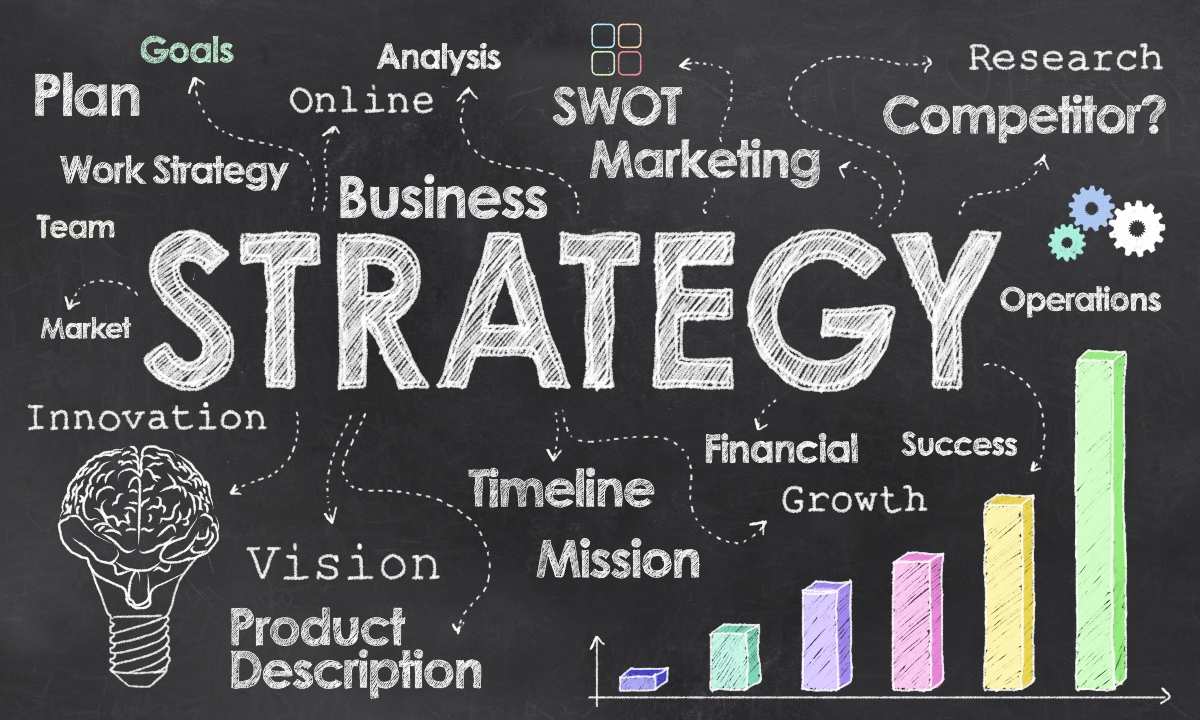
In today’s fast-paced and highly competitive business landscape, it is crucial for organizations to have a clear direction and a well-defined plan to achieve their goals. This is where strategic planning comes into play. Strategic planning is the process of defining an organization’s objectives and developing strategies to reach those goals. It is a critical element of running a successful business and has become even more significant in the current uncertain times. In this blog, we will discuss the importance of strategic planning in business and how it can drive success.
1. Provides a Sense of Direction:
Strategic planning helps organizations to have a clear sense of direction. It involves setting long-term goals, identifying the steps needed to achieve them, and creating a roadmap to guide the organization towards its objectives. This provides a sense of purpose and direction for all employees, keeping them aligned towards the common goal. Without a clear plan in place, businesses can easily lose focus and deviate from their core objectives, leading to inefficiency and decreased productivity.
2. Identifies Strengths and Weaknesses:
One of the significant benefits of strategic planning is that it allows businesses to identify their strengths and weaknesses. This process involves conducting a thorough analysis of the internal and external factors that affect the organization, such as market trends, competition, resources, and capabilities. Through this analysis, businesses can identify their areas of strength that they can leverage to gain a competitive advantage. It also helps identify weaknesses that need to be addressed to improve overall performance.
3. Encourages Proactive Decision Making:
Strategic planning enables businesses to be proactive rather than reactive. By anticipating potential challenges and opportunities, organizations can be better prepared to handle them effectively. This ensures that they are not caught off guard by unexpected events or changes in the market. With a well-defined plan in place, businesses can make informed decisions based on their goals and objectives rather than reacting to immediate problems or changes in the market.
4. Promotes Resource Allocation:
Strategic planning involves setting priorities and allocating resources accordingly. It helps determine which areas of the business require more resources and which can be scaled back. This ensures that resources are used effectively and efficiently, leading to cost savings and improved performance. Without a strategic plan, businesses may end up wasting resources on non-essential activities, impacting their bottom line.
5. Facilitates Adaptability:
In dynamic business environment, organizations need to be adaptable to stay relevant and competitive. Strategic planning allows businesses to be flexible and adapt to changes in the market, technology, or consumer preferences. By regularly reviewing and updating their strategic plan, businesses can adjust their goals and strategies to align with new developments. This helps businesses stay ahead of the curve and remain competitive in the long run.
6. Fosters Innovation:
A well-defined strategic plan encourages businesses to think outside the box and come up with innovative ideas. By identifying their strengths, weaknesses, and opportunities, organizations can leverage their strengths to explore new opportunities and address their weaknesses. This can lead to the development of new products, services, or processes, promoting innovation within the organization.
7. Enhances Communication and Collaboration:
Strategic planning involves input from various stakeholders within the organization, from top-level executives to front-line employees. This encourages communication and collaboration among different departments, leading to a better understanding of each other’s roles and responsibilities. The involvement of employees in the planning process also increases their commitment towards achieving the organization’s goals, leading to improved performance.
8. Helps Measure Progress:
A strategic plan provides a benchmark for measuring an organization’s progress towards its goals. By setting specific targets and objectives, businesses can track their progress and identify areas that need improvement. This allows for timely adjustments or corrective actions to be taken if necessary, ensuring that the organization stays on track towards its long-term goals.
Conclusion
strategic planning is crucial for the success and sustainability of any business. It helps organizations to set clear goals and objectives, allocate resources effectively, identify potential challenges and opportunities, and make informed decisions. It also enhances communication and collaboration within the organization and helps measure progress towards achieving long-term goals. Neglecting strategic planning can lead to missed opportunities, ineffective resource management, and ultimately, failure. Therefore, it is imperative for businesses to prioritize strategic planning and regularly review and update their strategies to ensure continued success in the dynamic business landscape.
